Macaronism
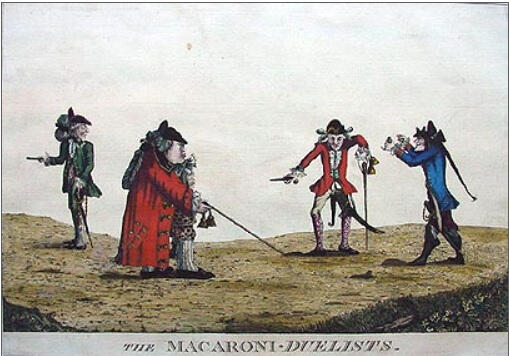
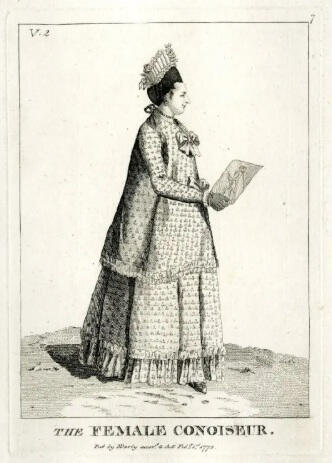
The Darly Prints
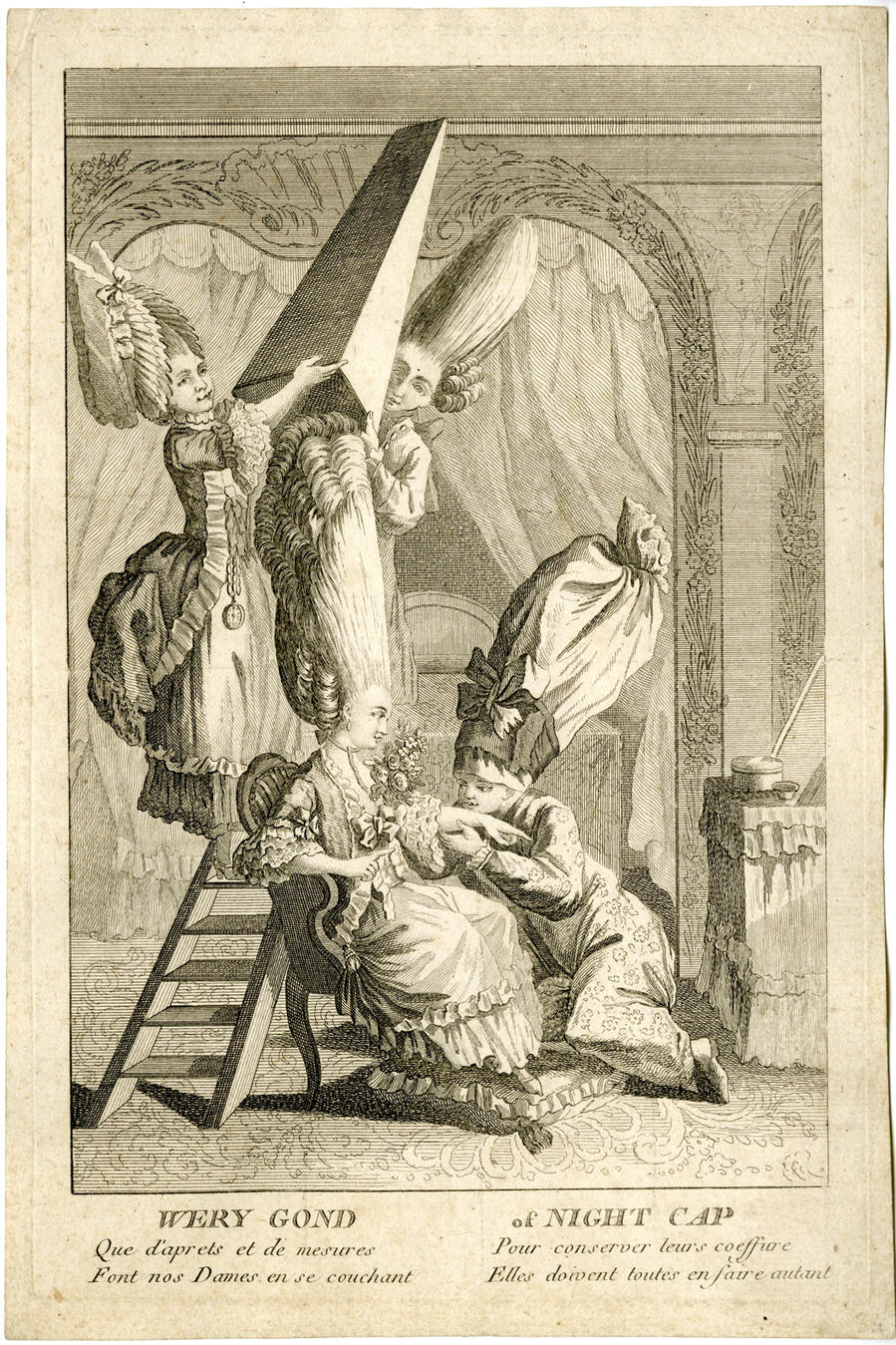
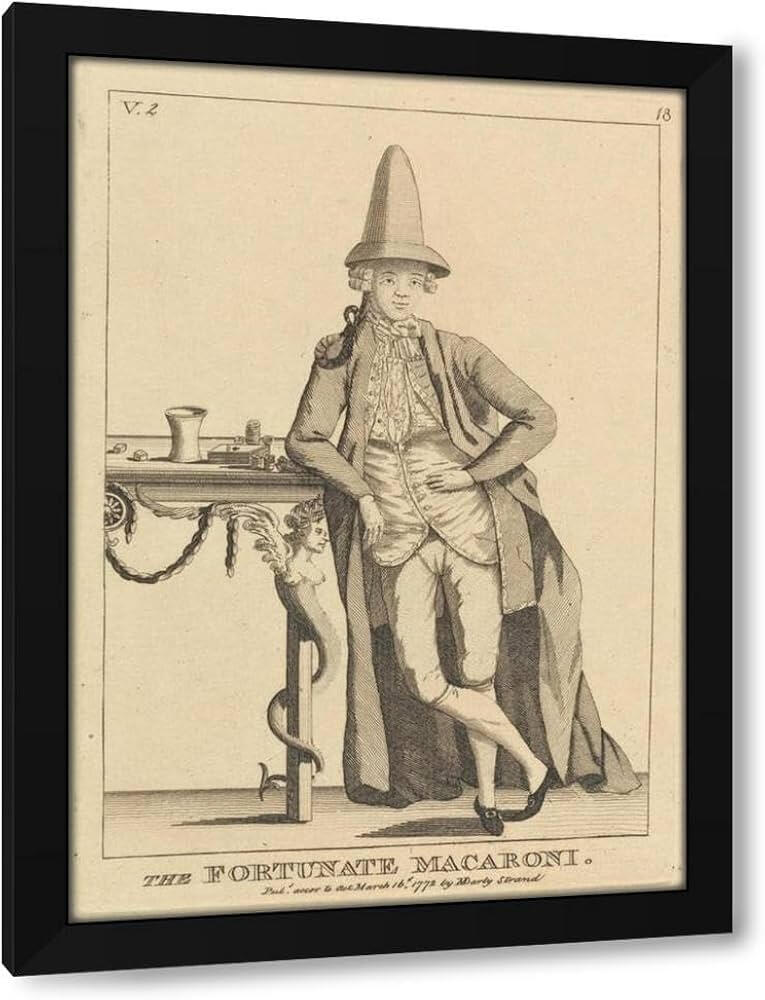
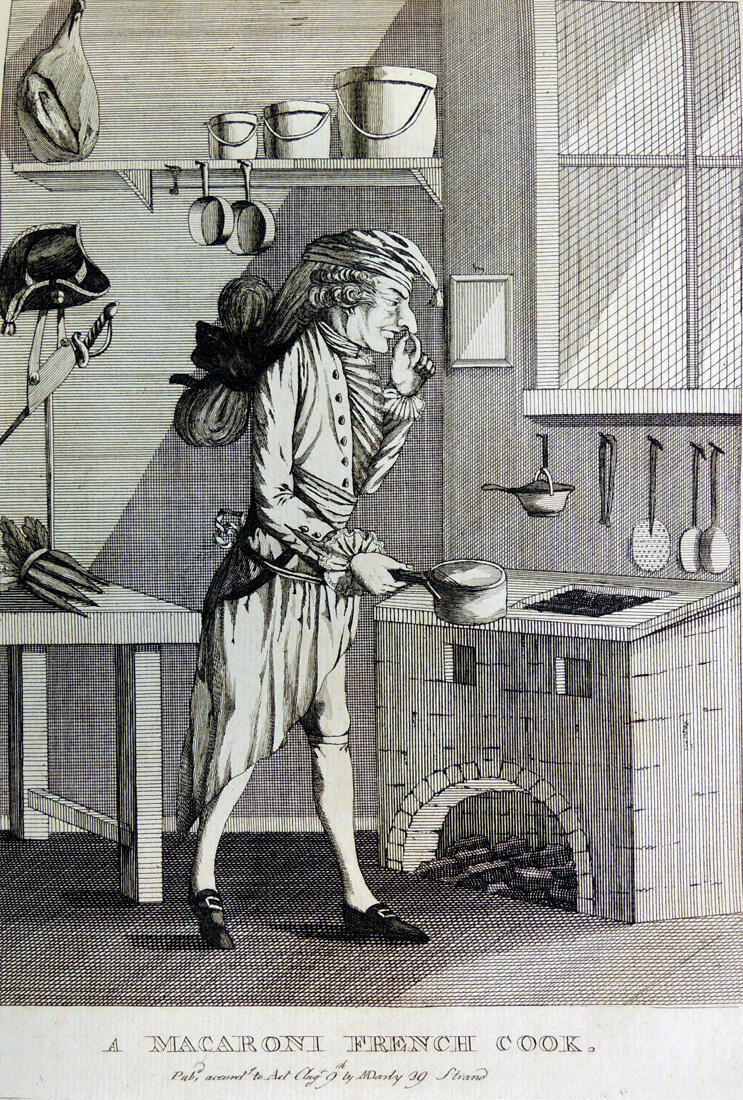
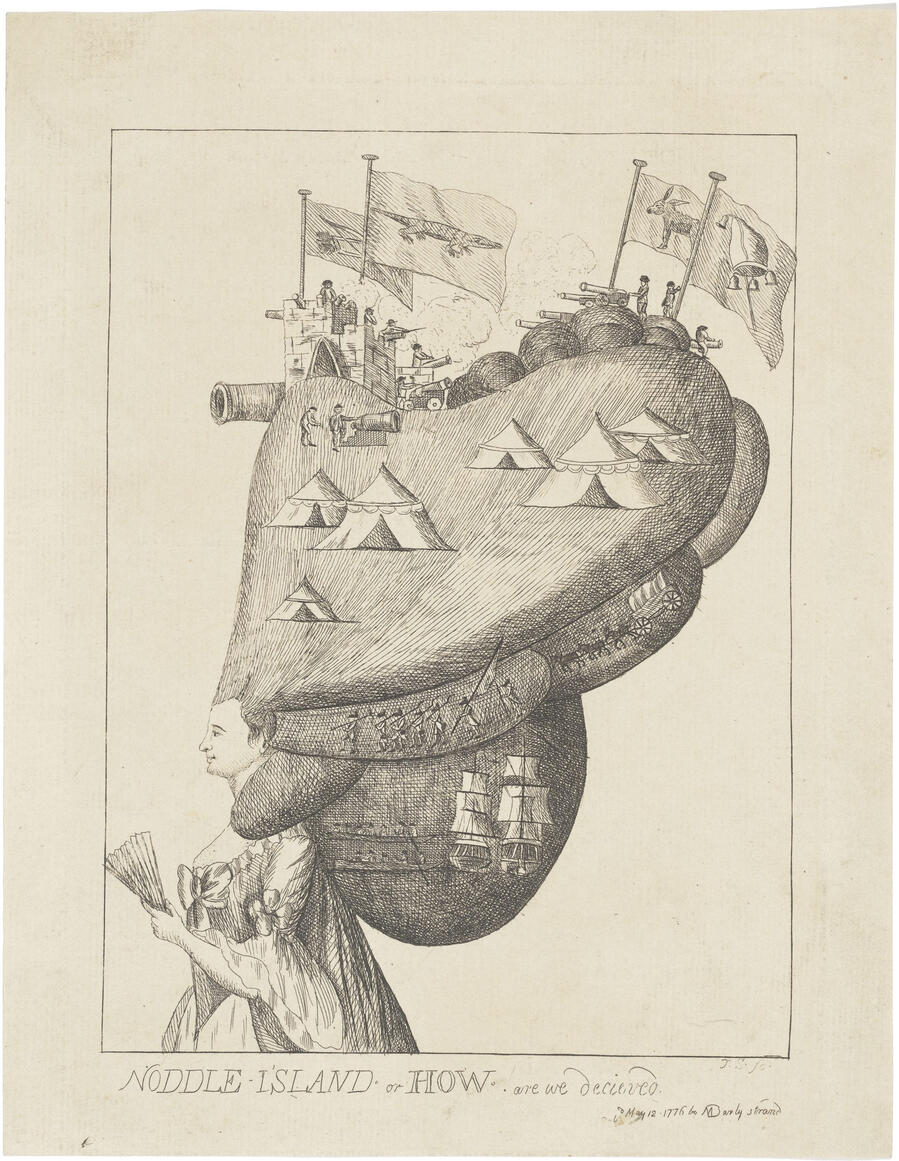
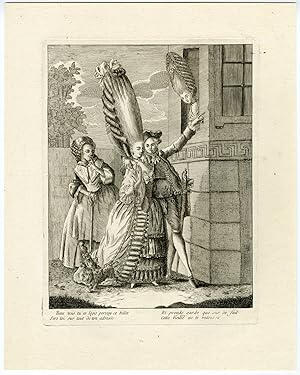
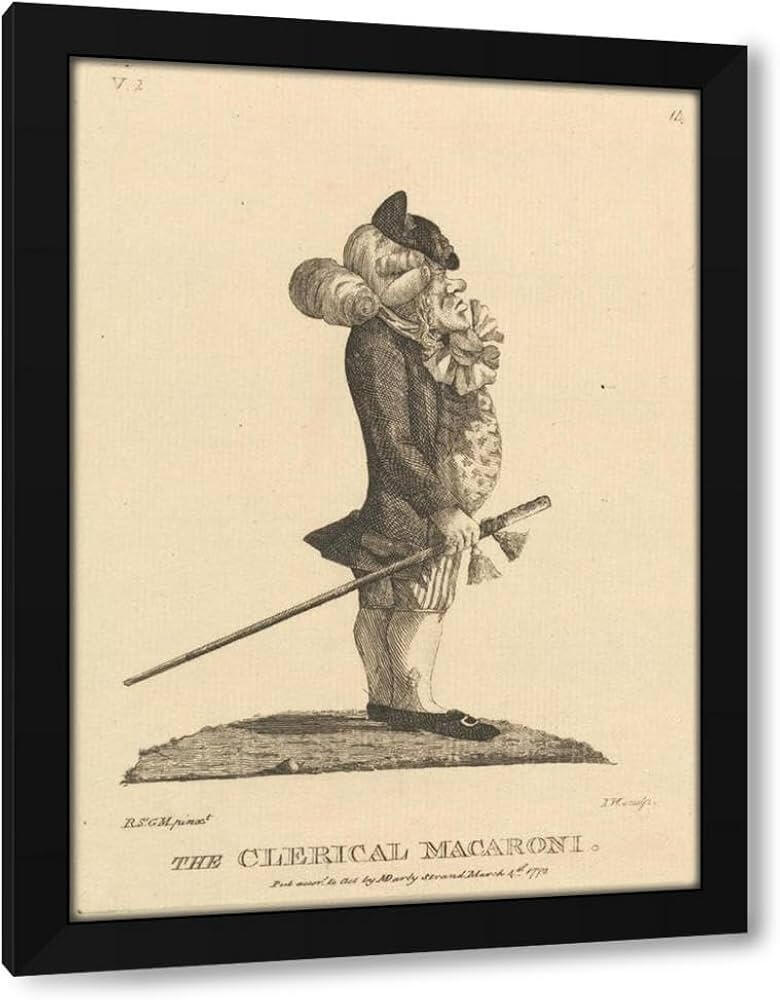
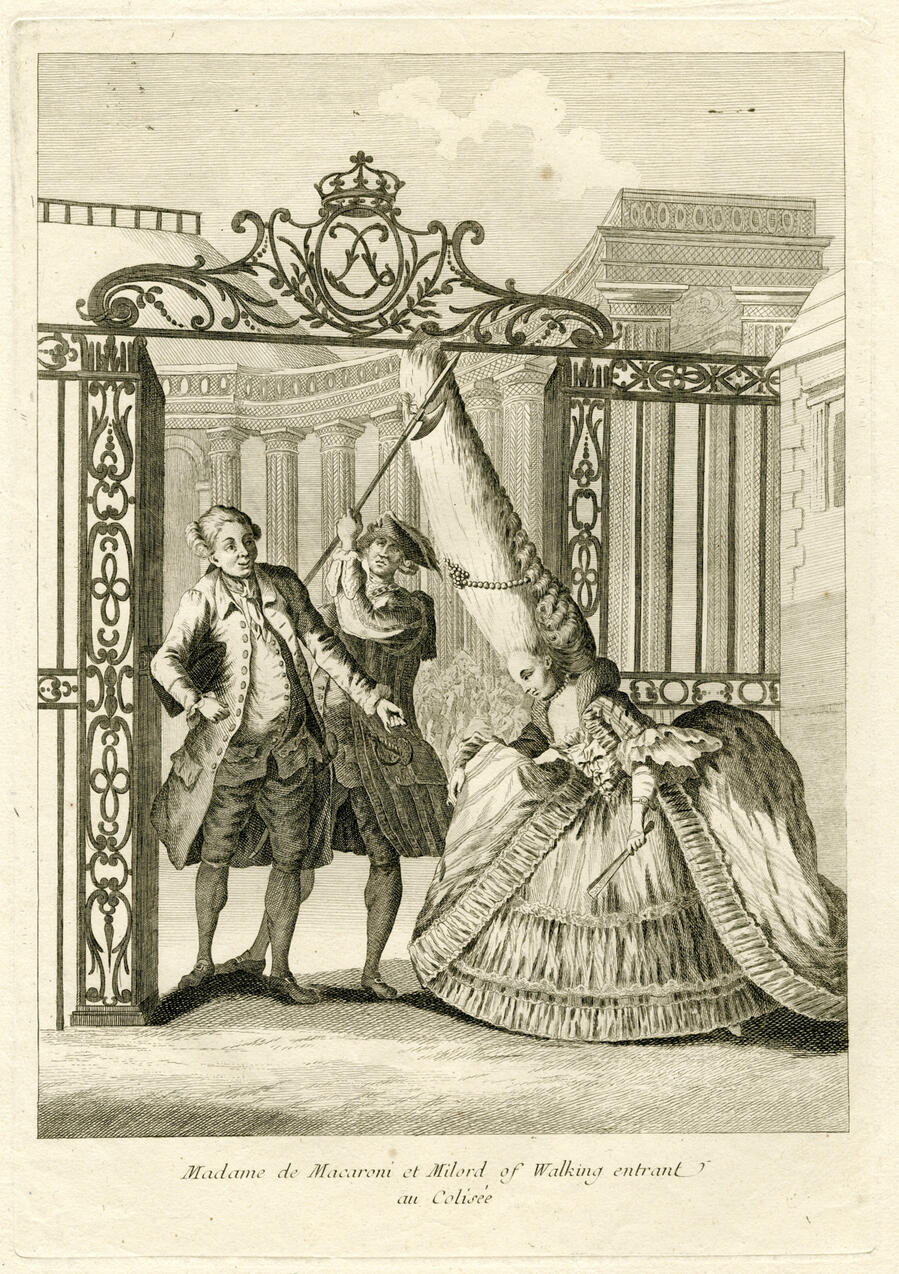
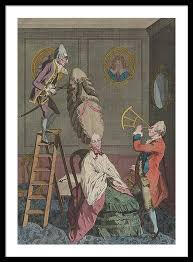
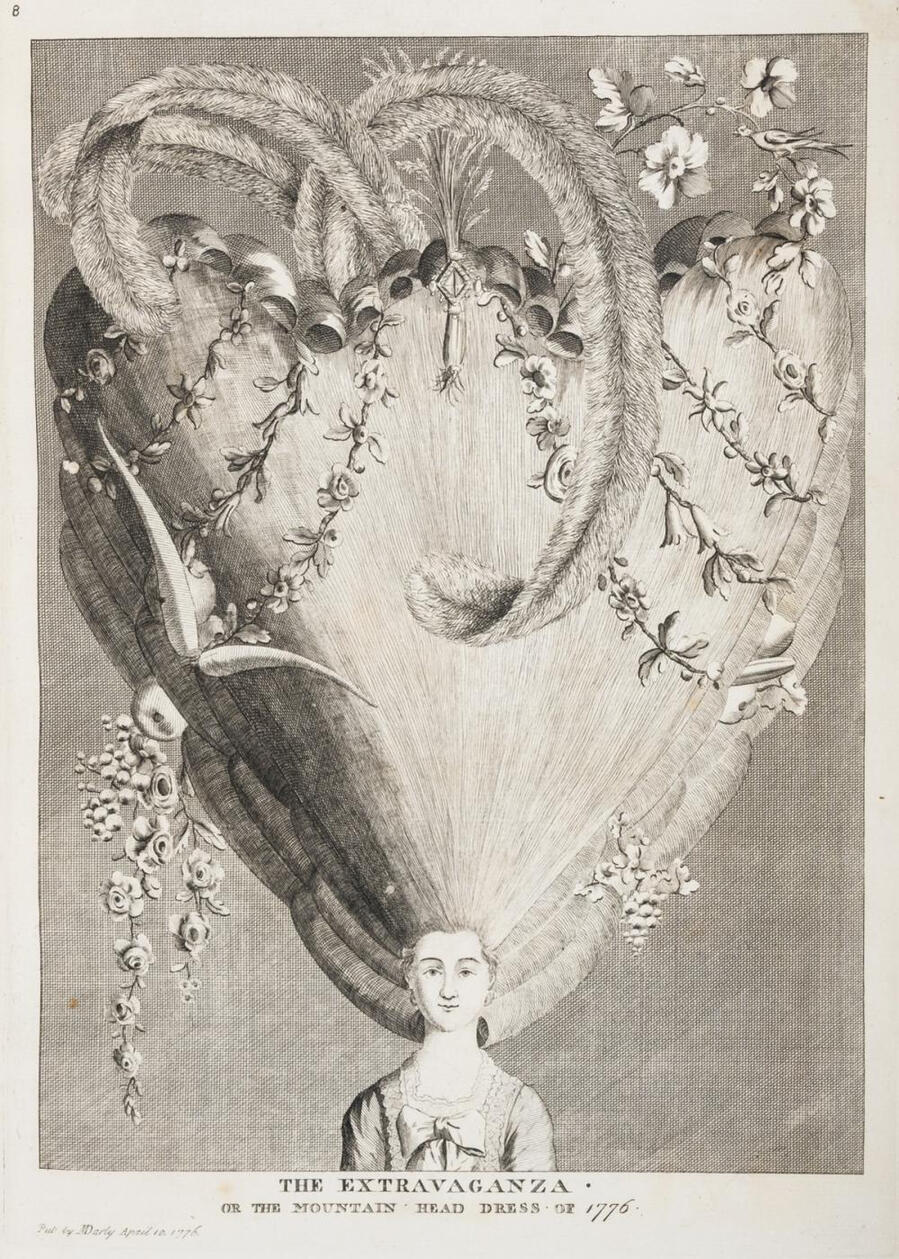
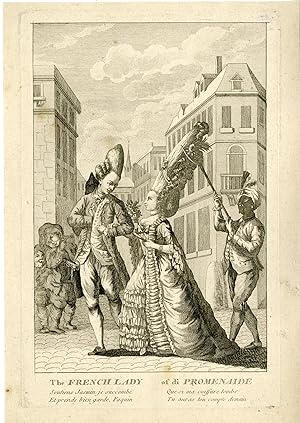
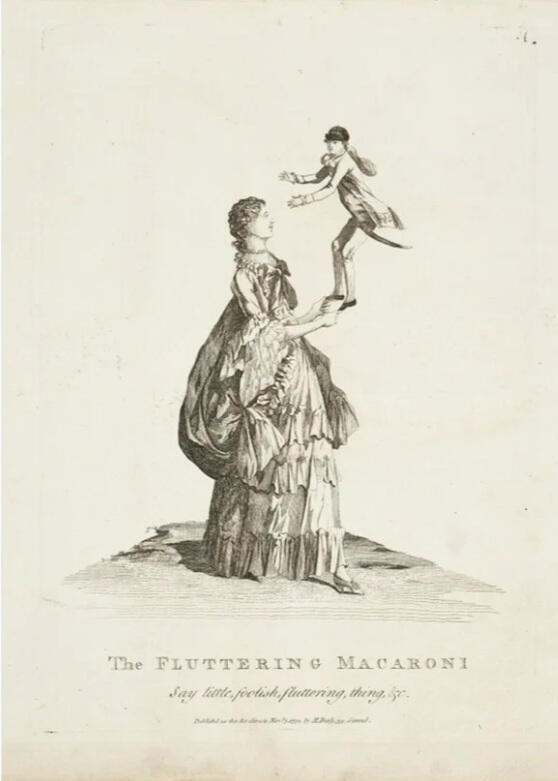
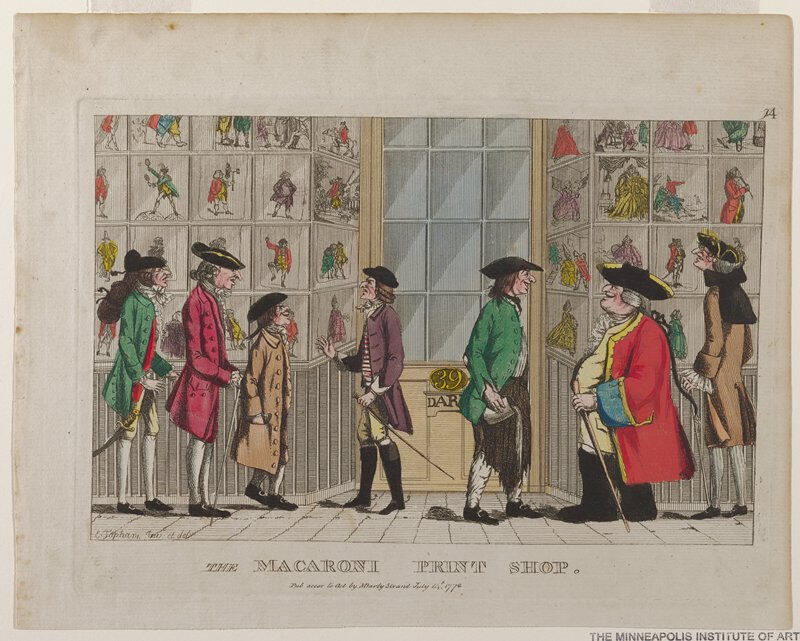
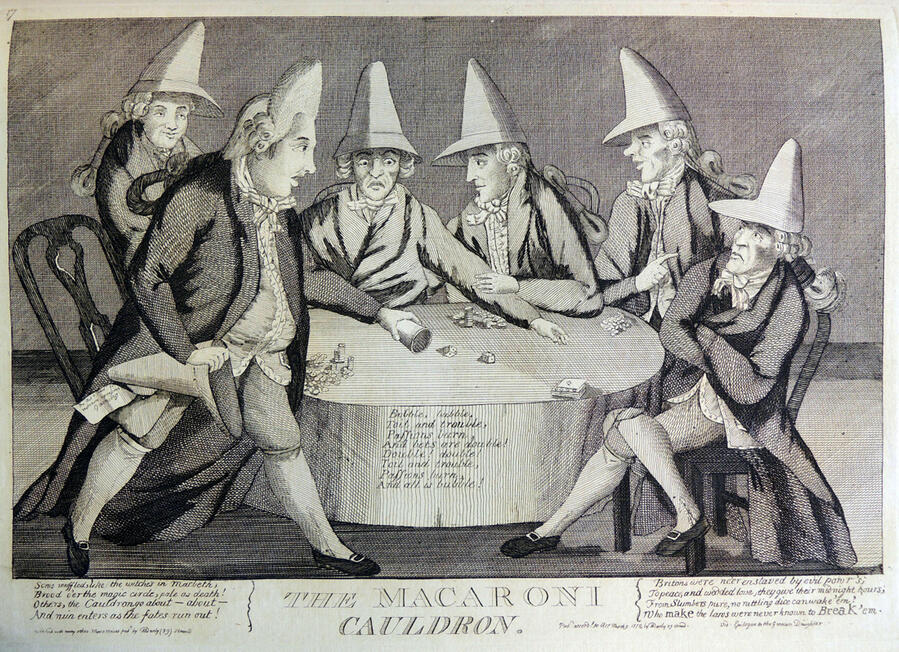
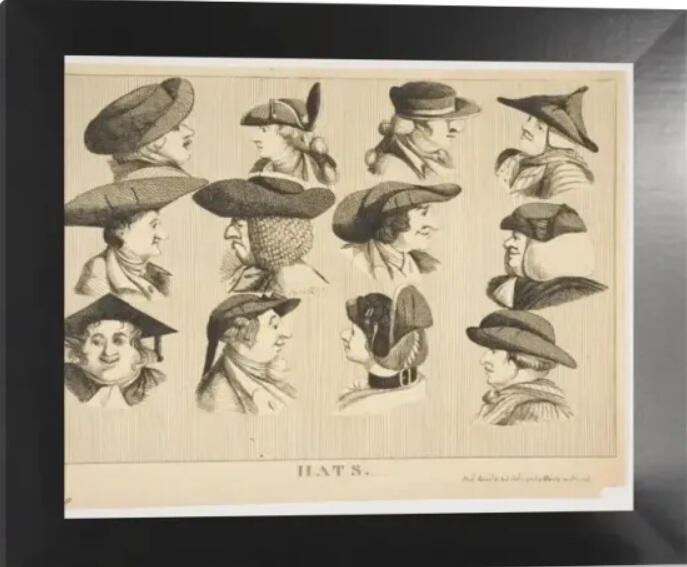
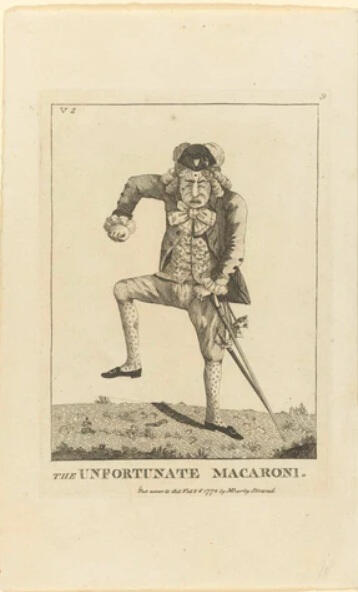
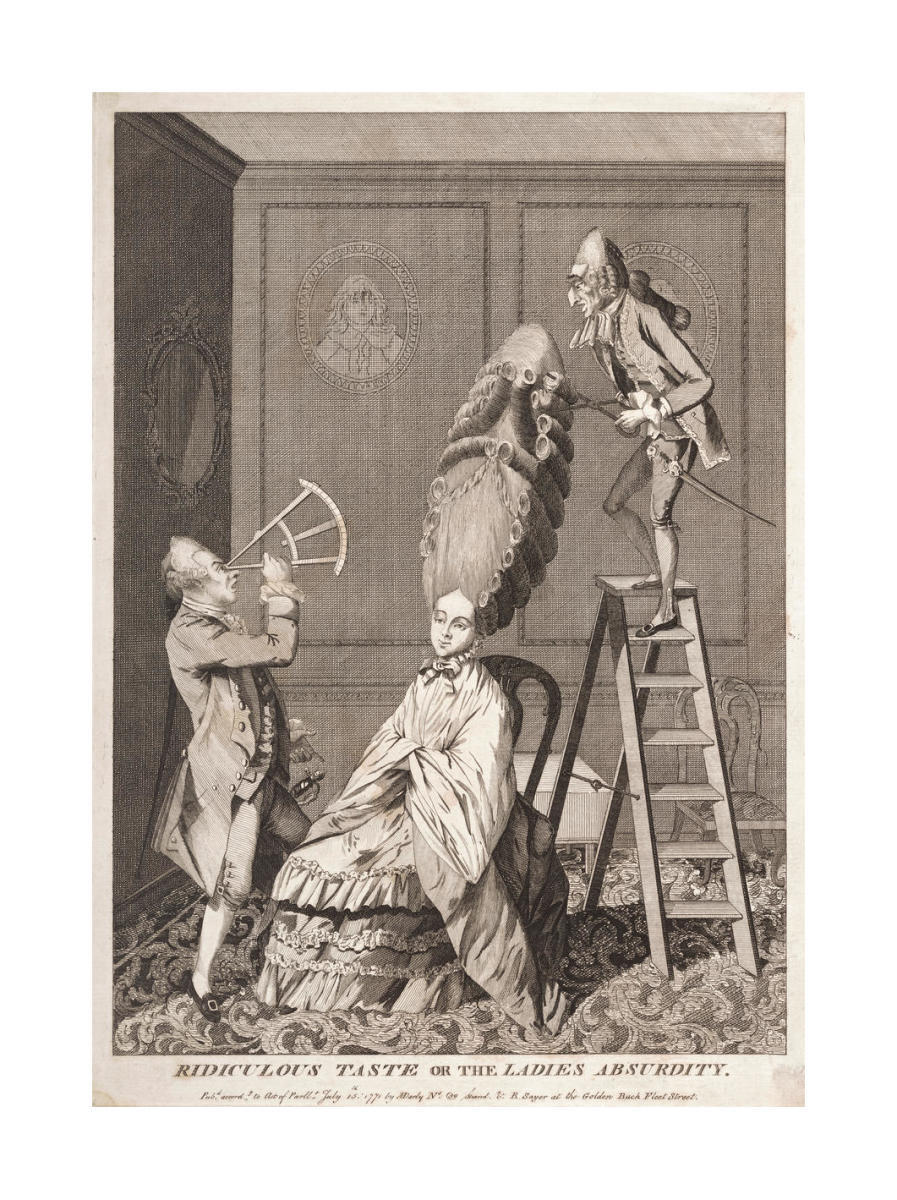
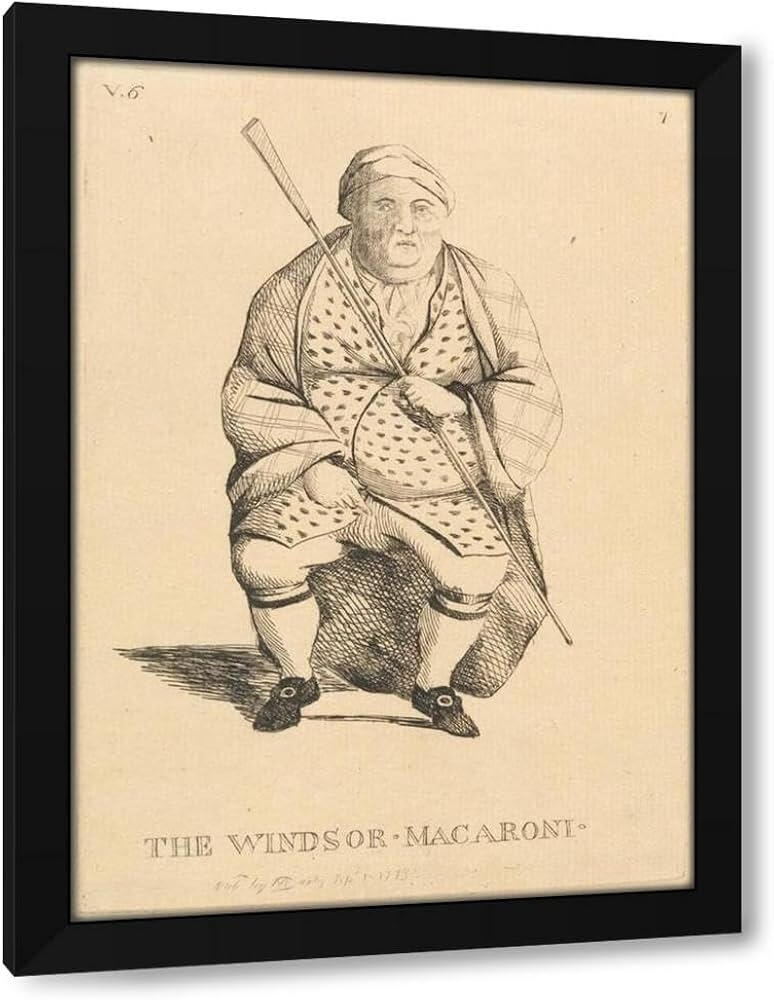
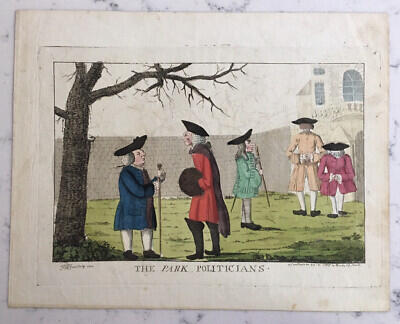
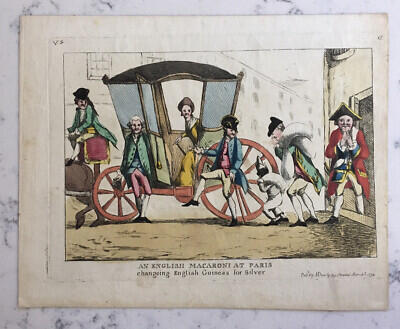
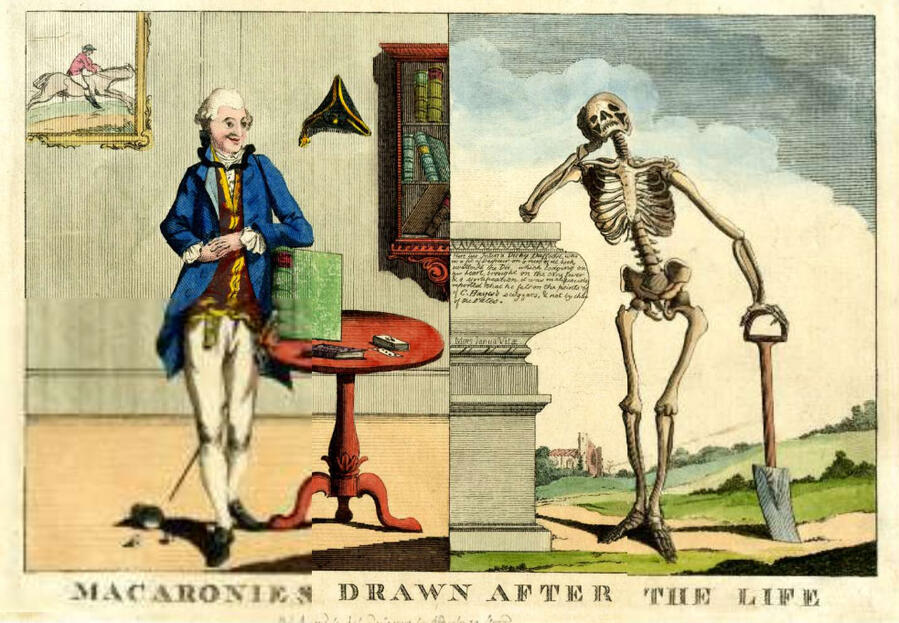
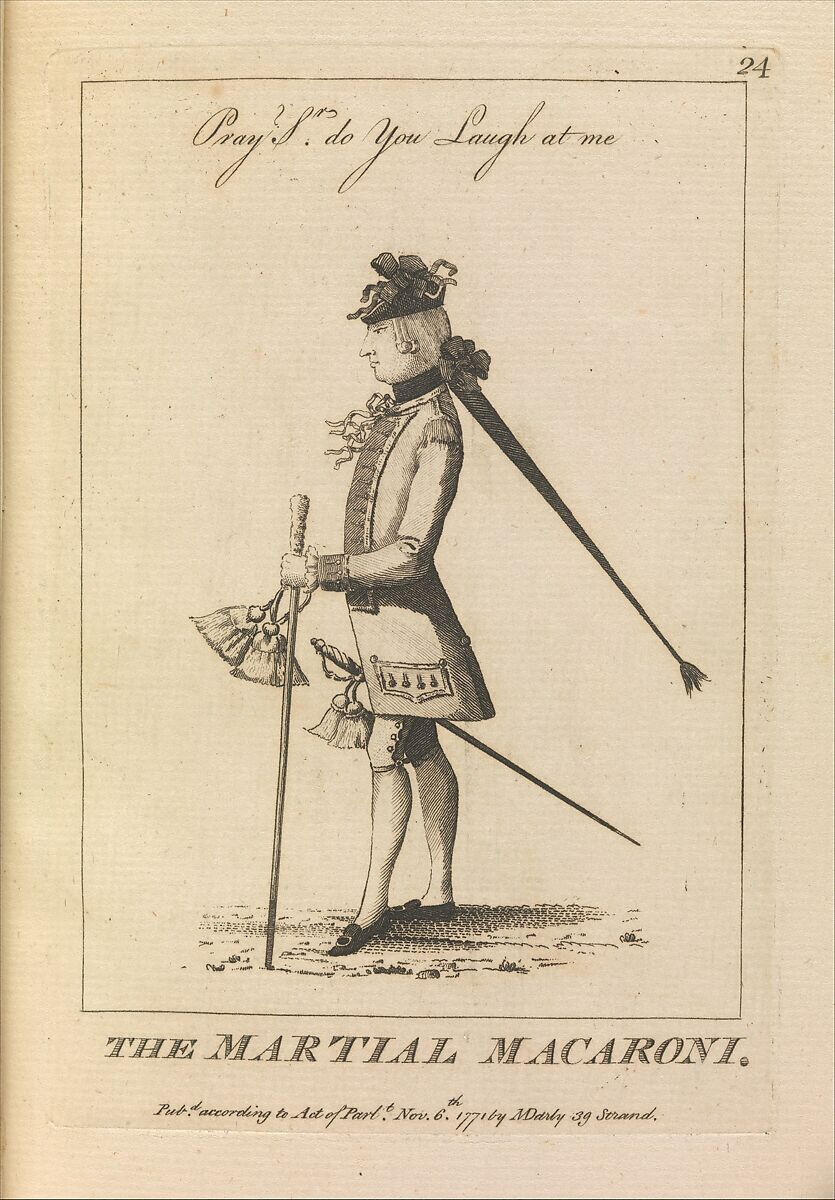
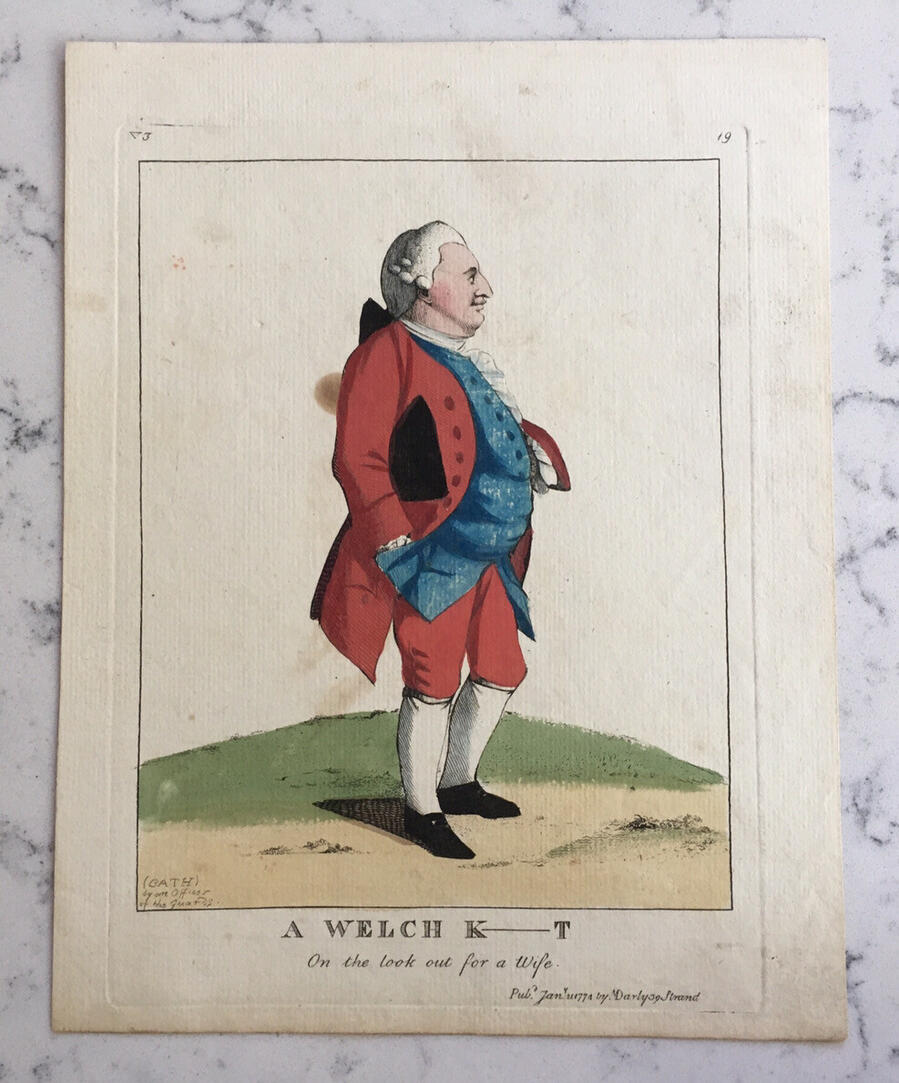
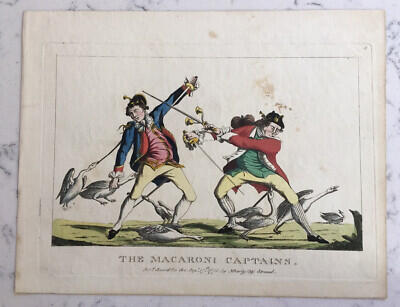
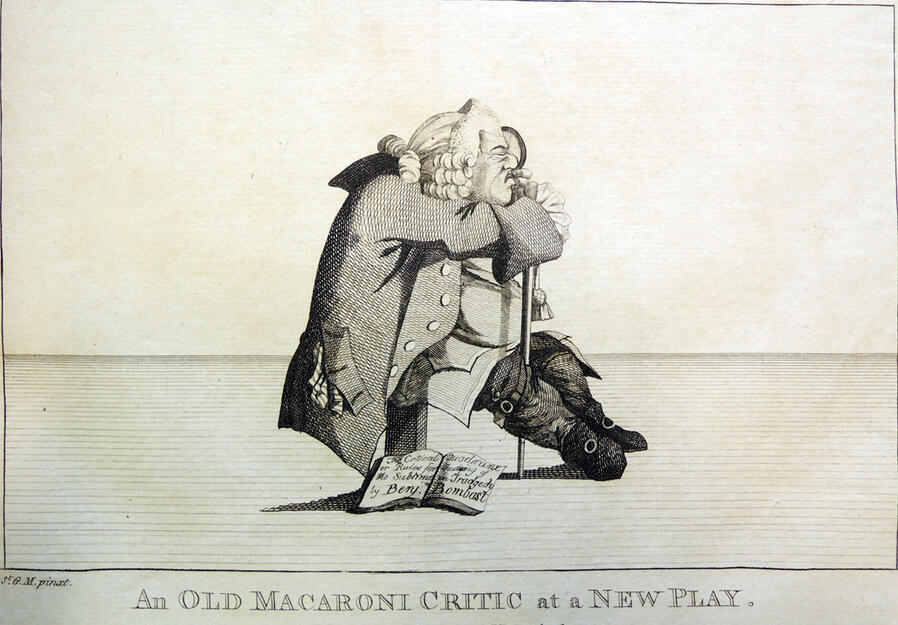
Pretty Gentlemen: Macaroni Men and the Eighteenth-Century Fashion World
Reigning Men: Fashion in Menswear, 1715–2015
The Man of Fashion: Peacock Males and Perfect Gentlemen
The Men's Fashion Reader" edited by Peter McNeil & Vicki Karaminas
The Cut of Men's Clothes, 1600-1900" by Nora Waugh:
"18th-Century Fashion in Detail" by Susan North:
Prominent Macaronis
Charles James Fox: Perhaps the most famous macaroni, Fox was a prominent Whig politician. In his youth, he was notorious for his "Paris cut-velvet" suits, red-heeled shoes, and blue-tinted pigeon-wing hairstyle. Despite being somewhat overweight for the tight-fitting fashions, he was a leader of the macaroni movement
Sir Joseph Banks: The celebrated botanist and explorer was satirized as "The Botanic Macaroni" upon his return from Captain Cook’s first voyage in 1772. His youthful interest in elaborate dress and general "dilettantism" was often used by his enemies to ridicule his scientific credentials.
Richard Cosway: A successful portrait painter and socialite who rose from humble beginnings. His fastidious attention to fashionable details in his paintings—such as a lady's ruffles or a bouquet—led critics to label his work and his own persona as "coxcomical" and "ridiculous
Johan Zoffany: The Swiss-born, British-based painter was also considered a macaroni in his younger years.
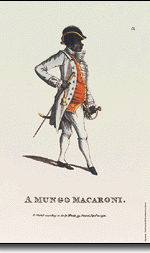
Julius Soubise: A formerly enslaved Afro-Caribbean man who became a well-known fop and member of elite social clubs. Sponsored by the Duchess of Queensbury, he was notorious for his luxury lifestyle, which included fencing, riding, and wearing diamond-buckled shoes. He was famously satirized in the print A Mungo Macaron
Reverend William Dodd: Known as the "Macaroni Parson," he was a court preacher and popular socialite. He became one of the first "white-collar" criminals to be executed after being convicted of forgery.
The Hon. Edward Onslow
John FitzWilliam, 8th Viscount FitzWilliam
George Augustus Herbert, 11th Earl of Pembrok